The Neighborhood
The East Village and Lower East Side are Manhattan's proving grounds — neighborhoods where cultural movements are born, culinary trends take root, and real estate markets transform. The East Village, stretching from 14th Street to Houston between Broadway and the East River, carries the legacy of punk rock, the Beat Generation, and generations of immigrant communities. The Lower East Side, below Houston, adds its own layers of multi-cultural heritage, tenement history, and a contemporary gallery and nightlife scene that rivals any in the city. Together, they form downtown Manhattan's most creatively charged corridor.
What has changed dramatically in recent years is the arrival of luxury residential development. New condominium towers and boutique conversions have introduced a tier of housing that was previously unavailable east of the Bowery, attracting buyers who want the energy of downtown without the price tags of the West Village or Tribeca. For forward-looking buyers, the East Village and Lower East Side represent one of Manhattan's most compelling value propositions: world-class dining, authentic neighborhood character, and a residential market that is still in the early chapters of its luxury evolution.
Market Snapshot
Based on 2025–2026 market data. Luxury properties may vary significantly.
The East Village median sale price stands at approximately $1.1 million, with the Lower East Side slightly lower at around $1.0 million — figures that represent significant value relative to neighboring Greenwich Village and NoHo. However, the luxury segment tells a different story: new-construction condominiums along the Bowery, Essex Street, and the waterfront regularly trade above $2,000 per square foot, with penthouses reaching $5 million or more.
The market here is bifurcated. The co-op segment — predominantly pre-war walk-ups — offers entry points below the Manhattan median. The condo segment, driven by recent development, commands premium pricing but offers modern amenities, larger layouts, and often dramatic views. Buyers who understand this dual market can find extraordinary value, particularly in the co-op sector, where well-renovated units in prime blocks offer an unmatched combination of location, character, and price.
What It's Like to Live Here
Dining & Nightlife
The dining scene across the East Village and Lower East Side is among the most exciting in the world. Dhamaka redefined Indian cuisine in New York. Katz's Delicatessen and Russ & Daughters are living landmarks. Momofuku Noodle Bar, Veselka, Superiority Burger, Dirt Candy, Mắm, and Clinton St. Baking Company represent the area's range from innovative to iconic. The nightlife is equally diverse — from the legendary Nublu jazz club and Attaboy cocktail bar to the vibrant bar scene along Avenue A and Orchard Street.
Parks & Outdoor Spaces
Tompkins Square Park is the East Village's central gathering place — a 10.5-acre park with playgrounds, dog runs, basketball courts, and a deep community identity. East River Park (currently undergoing a major reconstruction as part of the East Side Coastal Resiliency Project) will provide enhanced waterfront access with new sports facilities, amphitheaters, and resilient flood protection. The Sara D. Roosevelt Park runs through the Lower East Side, and Seward Park offers green space in the neighborhood's heart. Community gardens are a distinctive East Village feature, with dozens of maintained plots between avenues.
Schools
The East Village is served by several well-regarded public schools, including PS 63 STAR Academy, PS 64, and the Earth School, a popular progressive public school on East 6th Street. The Lower East Side offers PS 110 Florence Nightingale and PS 134 Henrietta Szold. Private options in the surrounding area include Grace Church School and Friends Seminary. Stuyvesant High School and other specialized high schools are accessible by subway.
Shopping & Culture
The East Village and Lower East Side are Manhattan's most culturally authentic shopping districts. Independent bookshops, vintage clothing stores, record shops, and one-of-a-kind boutiques line the avenues and side streets. The New Museum on the Bowery anchors the contemporary art scene, complemented by galleries along Orchard Street and the surrounding blocks. Essex Market offers an exceptional food hall experience. Performance venues including La MaMa Experimental Theatre Club, Theater for the New City, and Arlene's Grocery maintain the area's creative legacy.
Transit & Commute
Transit access has improved significantly in recent years. The 6 train at Astor Place serves the western East Village. The L train at First Avenue and Third Avenue provides easy access to Brooklyn and crosstown service to Union Square and connections to the West Side. The Lower East Side is served by the F, M, J, Z trains at Delancey Street-Essex Street and the B, D at Grand Street. Midtown is approximately 20 minutes away on most lines.
Architecture & Housing Stock
The architectural character of the East Village and Lower East Side is defined by the classic New York tenement — five- and six-story walk-up buildings from the late 19th and early 20th centuries, with their distinctive fire escapes, ornamental cornices, and narrow but efficient floor plans. These buildings, originally home to waves of immigrants, have been reinvented as some of Manhattan's most characterful residences. Renovated apartments in well-maintained tenements offer exposed brick, original hardwood floors, and a sense of history that newer buildings cannot replicate.
The newer layer of development has introduced a dramatically different building type. Glass-and-steel condominium towers along the Bowery and Essex Crossing — the massive mixed-use development on the former Seward Park Urban Renewal Area — have brought full-service luxury living to neighborhoods that had virtually none a decade ago. These buildings offer amenities including doormen, gyms, rooftop terraces, and concierge services. The contrast between old and new is part of what makes these neighborhoods architecturally fascinating and residentially diverse.
Caryl's Experience in the East Village & Lower East Side
With four decades of experience across all of downtown Manhattan, Caryl Berenato brings a comprehensive perspective to the East Village and Lower East Side — two neighborhoods that are increasingly attracting the attention of luxury buyers seeking value, authenticity, and cultural richness. Caryl's deep knowledge of the broader downtown market, combined with her understanding of how these neighborhoods connect to and complement the West Village, Greenwich Village, and SoHo, makes her an invaluable guide for buyers exploring east of Broadway.
Caryl recognizes that the East Village and Lower East Side appeal to a specific type of discerning buyer: someone who values character over conformity, who appreciates the energy of a neighborhood in evolution, and who understands that the next chapter of Manhattan luxury is being written east of the Bowery. Her ability to evaluate buildings, assess renovation potential, and navigate the co-op and condo markets across all of downtown Manhattan ensures that her clients make informed decisions in a market with exceptional upside.
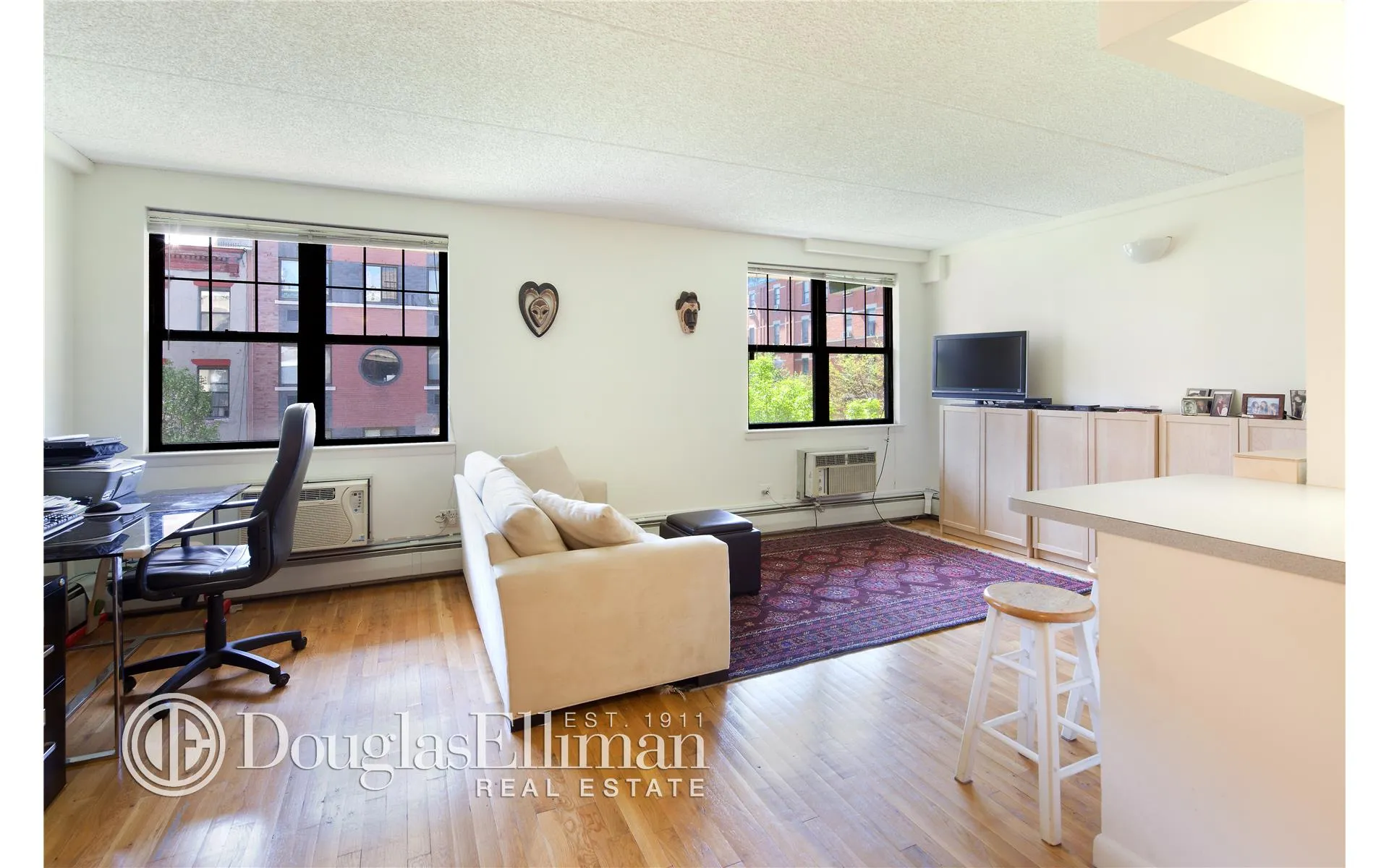
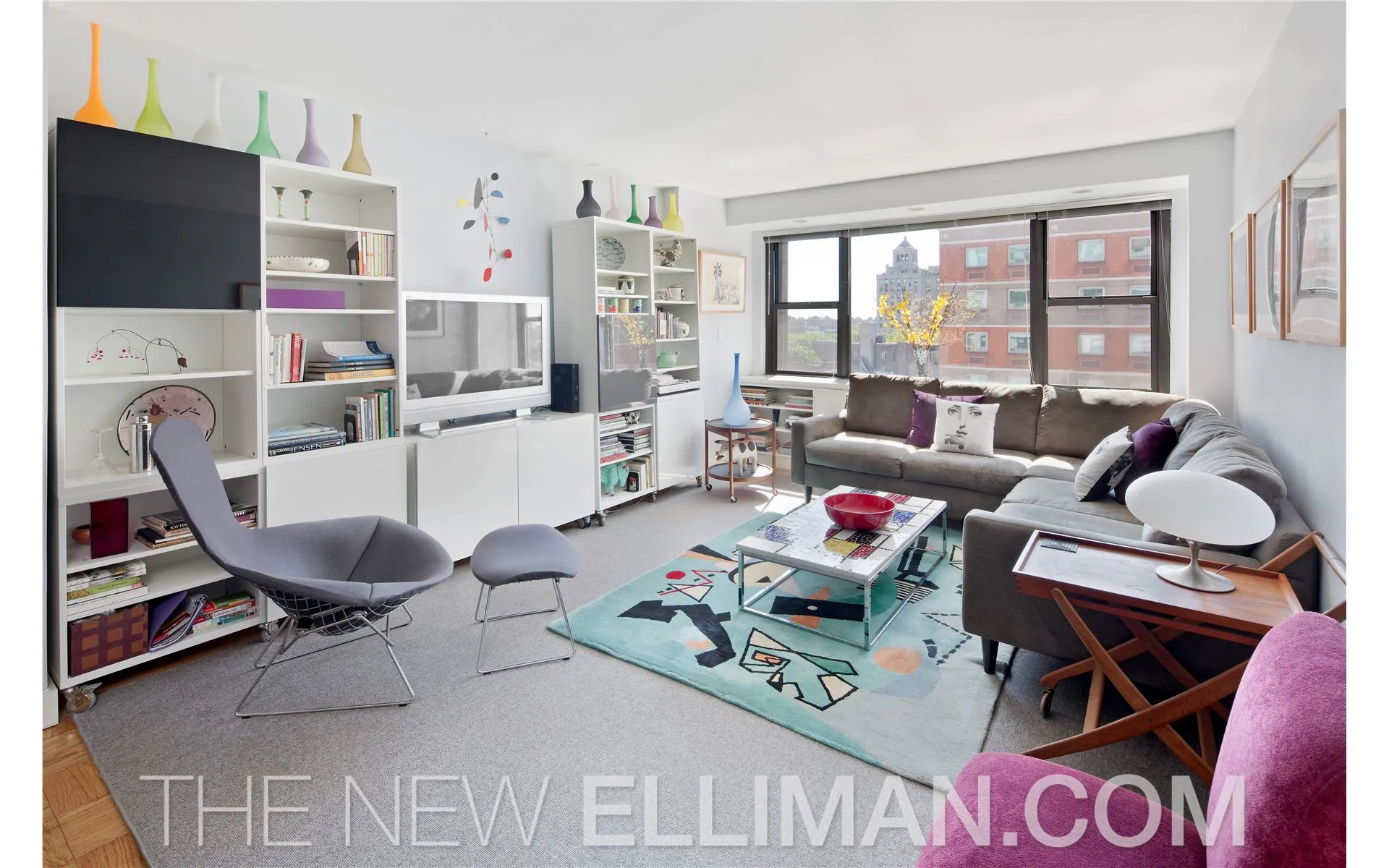
Featured Sales in the East Village & Lower East Side

Nearby Neighborhoods
Frequently Asked Questions
What is the average home price in the East Village and Lower East Side?
The median home sale price in the East Village is approximately $1.1 million as of 2025, while the Lower East Side averages around $1.0 million. Luxury new-construction condominiums in both neighborhoods can exceed $2,000 per square foot, with penthouse residences reaching $5 million or more.
What types of homes are available in the East Village and Lower East Side?
The housing stock includes pre-war walk-up co-ops in classic tenement buildings, modern luxury condominiums in new developments, converted loft spaces, and a limited number of townhouses. The Lower East Side has seen significant new-construction luxury development in recent years.
Is the East Village a good neighborhood to live in?
The East Village is one of Manhattan's most vibrant and culturally rich neighborhoods. It offers an extraordinary restaurant and bar scene, Tompkins Square Park, independent bookshops and theaters, excellent subway access, and a creative energy that has defined the area for decades.
What subway lines serve the East Village and Lower East Side?
The East Village is served by the 6 train at Astor Place and the L train at First and Third Avenues. The Lower East Side is served by the F, M, J, Z trains at Delancey Street-Essex Street and the B, D at Grand Street. Most of Manhattan is reachable within 20 minutes.
What are the best restaurants in the East Village and Lower East Side?
The area forms one of New York's most exciting dining corridors. Standouts include Dhamaka, Russ & Daughters, Momofuku Noodle Bar, Veselka, Superiority Burger, Katz's Delicatessen, Clinton St. Baking Company, and Dirt Candy. The area is renowned for authentic international cuisines and chef-driven innovators.