Tribeca Real Estate Advisor
Converted lofts, cobblestone streets, and world-class dining in Manhattan's most exclusive downtown enclave.
Tribeca apartments for sale: build a useful shortlist
A useful apartment shortlist pairs what you want from a home with the questions still to be answered about its exact address. Before requesting tours, share your budget, preferred apartment layout, ownership-form preferences and the places you need to reach. Keep those priorities separate from facts that need documents or a visit.
1. Define what earns a place on your list
Choose your must-haves and the tradeoffs you would consider: room arrangement, work space, access needs and your own location priorities. If a listing describes a loft, condo or co-op, ask which terms describe the space and which identify its ownership form. Do not assume that a layout description settles the ownership question.
2. Give every candidate an address and an open-question list
Record the building address and unit, why it matches your priorities, and what has not yet been verified. Ask for the information needed to confirm the ownership form and building requirements. Treat missing answers as follow-up items, not as evidence that a property meets your needs.
For landmark context, start with the NYC Landmarks Preservation Commission maps and check the particular address. For property-record research, use the NYC Department of Finance property resources. A neighborhood name or map result does not by itself establish a unit's condition, permitted work or transaction terms.
3. Turn the shortlist into a tour brief
Send Caryl the candidates, your priorities and the unanswered questions together. Ask which items can be checked before a tour and which need documents or professional review later. Keep availability and all building, unit and transaction conclusions subject to current, property-specific verification.
For broader neighborhood and housing comparisons, read the Tribeca buyer's guide, then use this checklist to organize the questions for your own shortlist.
Request a Tribeca apartment shortlist and address-specific buyer diligence with Caryl Berenato.
Tribeca: From Warehouses to Luxury Lofts
Established in the 18th century, Tribeca — the Triangle Below Canal — was one of the first areas in Manhattan to be developed as residential space outside of the initial colonial boundaries. The neighborhood remained residential until the 1840s, when proximity to the Hudson River (known as the North River) converted the area to a major shipping hub. Today, many of the resulting warehouses lend historical character to Manhattan's most coveted residential neighborhood. Tribeca has five designated historic districts — Tribeca West, Tribeca North, Tribeca East, Tribeca South, and the Tribeca South Extension — each marked by its distinctive character. Walking along cobblestone streets, you will happen upon converted warehouse lofts featuring soaring ceilings, oversized windows, and floor plans that rival single family homes, Federal-style row houses with private gardens, and exclusive, luxurious new developments from starchitects. The neighborhood attracts distinguished buyers seeking privacy, space, and proximity to some of the city's finest restaurants and schools.
What sets Tribeca apart is its rare combination of downtown energy and residential calm. Unlike the bustle of SoHo or the density of the Financial District, Tribeca's wide streets and low-rise character create a sense of space that is almost unique in Manhattan. Its community is tight-knit, anchored by neighborhood institutions, annual events like the Tribeca Film Festival, and a shared appreciation for the architectural heritage that makes every block feel distinctive.
Neighborhood Market Snapshot
Based on 2025–2026 market data. Luxury properties may vary significantly.
Tribeca consistently ranks among Manhattan's most expensive neighborhoods, with a median sale price of approximately $3.8 million. The luxury segment has shown particular strength, with the median condo price rising over 30% year-over-year in recent quarters. Well-priced properties typically sell within two months, and new development inventory remains limited — a dynamic that continues to support strong valuations.
Property types range from expansive full-floor lofts in converted warehouses to boutique new-construction condominiums and rare townhouses. Prices for premium residences regularly exceed $10 million, with trophy properties commanding $20 million and above.
What It's Like to Live Here
Dining & Nightlife
Tribeca has one of the highest concentrations of acclaimed restaurants in Manhattan. Landmarks include The Odeon, Locanda Verde, Frenchette, and 69 Leonard. From Michelin-starred fine dining to beloved neighborhood institutions like Bubby's and Grandaisy Bakery, the culinary scene is unmatched downtown. For the vinofile, City Vineyard offers exclusive access to world-class wines, fine dining, and rooftop gardens with Hudson River views.
Parks & Outdoor Spaces
Hudson River Park runs along Tribeca's western edge, offering miles of waterfront esplanade along the Hudson River, featuring walking and bike paths, playgrounds, sports courts, and gardens. Washington Market Park is the neighborhood's central green space, popular with families. The Tribeca Waterfront provides stunning sunset views and a peaceful counterpoint to the city.
Schools
Tribeca is home to some of Manhattan's most sought-after schools. PS 234 Independence School is consistently among the city's top-rated public elementary schools. Stuyvesant High School, one of New York's elite specialized public high schools, is located at the neighborhood's northern edge. Private options include proximity to schools in neighboring Greenwich Village such as St. Luke's, Little Red, and City and Country. St. Ann's and Packer Collegiate are in nearby Brooklyn Heights, and Leman Manhattan Preparatory is in the Financial District.
Shopping & Culture
While more residential than neighboring SoHo, Tribeca offers curated boutique shopping along Greenwich Street and Hudson Street. The annual Tribeca Film Festival, founded in 2002, has become a defining cultural event. The Taste of Tribeca is one of the hottest tickets of the year. Galleries, independent bookshops, and artisan stores give the neighborhood a distinct creative identity.
Transit & Commute
Tribeca offers excellent subway access. The 1, 2, 3 trains stop at Chambers Street and Franklin Street. The A, C, E trains are accessible at Canal Street, and the R, W at City Hall. Most of Midtown is reachable within 15 minutes. The neighborhood's walkability and bike infrastructure make it easy to navigate without a car.
Architecture & Housing Stock
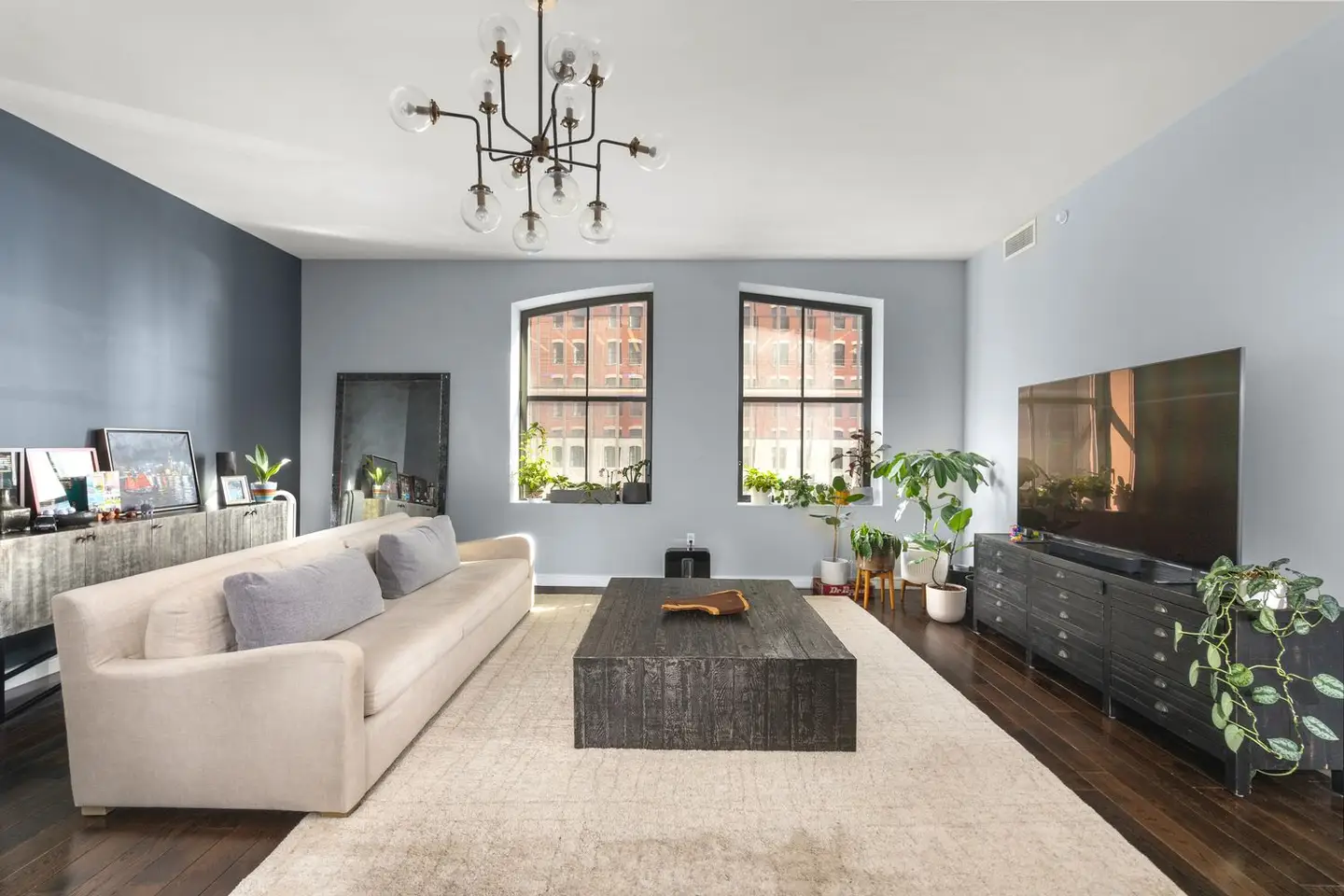
Tribeca's architectural character is defined by its industrial past. Massive 19th-century warehouse buildings — originally used for textiles, produce, and manufacturing — have been converted into some of Manhattan's most striking residential lofts. Expect soaring 12- to 14-foot ceilings, original cast-iron columns, oversized arched windows, and open floor plans that often exceed 3,000 square feet.
New construction has added sleek, full-service condominium buildings to the mix, many designed by internationally acclaimed architects. Rare townhouses dot the side streets, commanding significant premiums when they come to market. The neighborhood's landmark status protects much of its architectural heritage.
Caryl's Experience in Tribeca
With four decades of experience in Manhattan luxury real estate, Caryl Berenato brings deep knowledge of Tribeca's distinctive market. Her notable transactions in the neighborhood include the sale of 250 West Street, Unit 3F — a distinguished condominium residence that closed at $3.8 million.
Caryl understands the nuances that define Tribeca's market: the difference between a north-facing loft and a south-facing one, the buildings with the strongest boards, and the streets where values have historically outperformed. Whether you're seeking a converted loft with original architectural details or a full-service condominium with river views, Caryl's expertise ensures you find the right residence at the right price.
Nearby Neighborhoods
SoHo
Cast-iron lofts, premier galleries, and the epicenter of downtown style.
Greenwich Village
Iconic brownstones and timeless elegance around Washington Square Park.
West Village
Tree-lined streets, historic townhouses, and bohemian charm.
Hudson Yards
Manhattan's newest luxury destination with world-class residences and river views.
Frequently Asked Questions
What is the average home price in Tribeca?
The median home sale price in Tribeca is approximately $3.8 million as of 2025, with luxury condos often exceeding $2,500 per square foot. Townhouses and full-floor lofts regularly trade above $10 million.
What types of homes are available in Tribeca?
Tribeca's housing stock includes converted warehouse lofts with soaring ceilings and oversized windows, luxury new-construction condominiums, historic townhouses, and full-floor residences in landmark buildings. The neighborhood is known for some of Manhattan's largest residential floor plans.
Is Tribeca a good neighborhood to live in?
Tribeca is consistently ranked among Manhattan's most desirable neighborhoods. It offers a rare combination of residential tranquility, world-class dining, top-rated schools including PS 234 and Stuyvesant High School, excellent parks along the Hudson River, and a strong sense of community.
What subway lines serve Tribeca?
Tribeca is served by the 1, 2, 3 trains at Chambers Street and Franklin Street stations, the A, C, E trains at Canal Street, and the R, W trains at City Hall. Most of Midtown is reachable within 15 minutes.
What are the best restaurants in Tribeca?
Tribeca is home to some of New York's most celebrated restaurants, including The Odeon, Locanda Verde, Frenchette, and 69 Leonard. The neighborhood has one of the highest concentrations of fine dining in Manhattan.